Cabinet guide
Cabinet Materials Explained
Each material trades off look, upkeep and tolerance for heat and moisture.
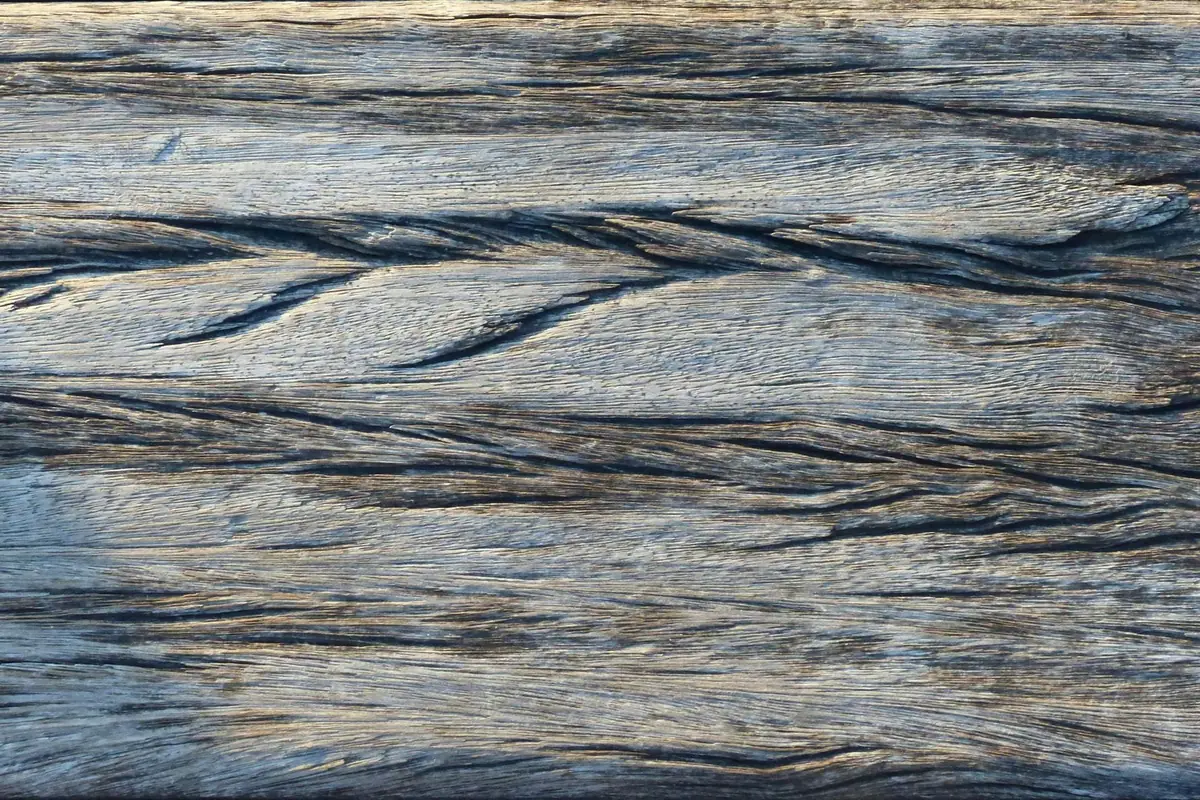
Wood veneer
A thin layer of real wood bonded to a core. It looks like solid wood, takes stain and is stable. Edges need sealing and damage can show.
Solid wood
Traditional and refinishable. It can swell or shrink with humidity, so panel construction matters.
Laminate
A plastic surface bonded to a core. It resists scratches and wipes clean, and comes in many colors. Edges can show seams and corners can chip.
Thermofoil
A vinyl film heat-pressed over a molded core. It is smooth and easy to clean but can peel or bubble near heat sources.
Painted MDF or wood
Smooth, flexible in color and easy to match. It needs touch-ups over time, and edges can chip.
Choosing
Think about heat near the range, steam near the dishwasher and moisture near sinks. Ask for samples and look at them in your own light.
Local note
Materials behave differently in different homes, and Yakima is no exception. Harvest season is busy across the valley, so scheduling and lead times for made-to-order doors are good questions. Ask each provider to put the scope in writing.
Related
See veneer, laminate and wood options.
This guide is general information for homeowners, not legal, insurance, health or other professional advice. Rules and conditions change, so check the linked official sources.
Prefer to talk it through?
Call to reach an independent local cabinet refacing provider.